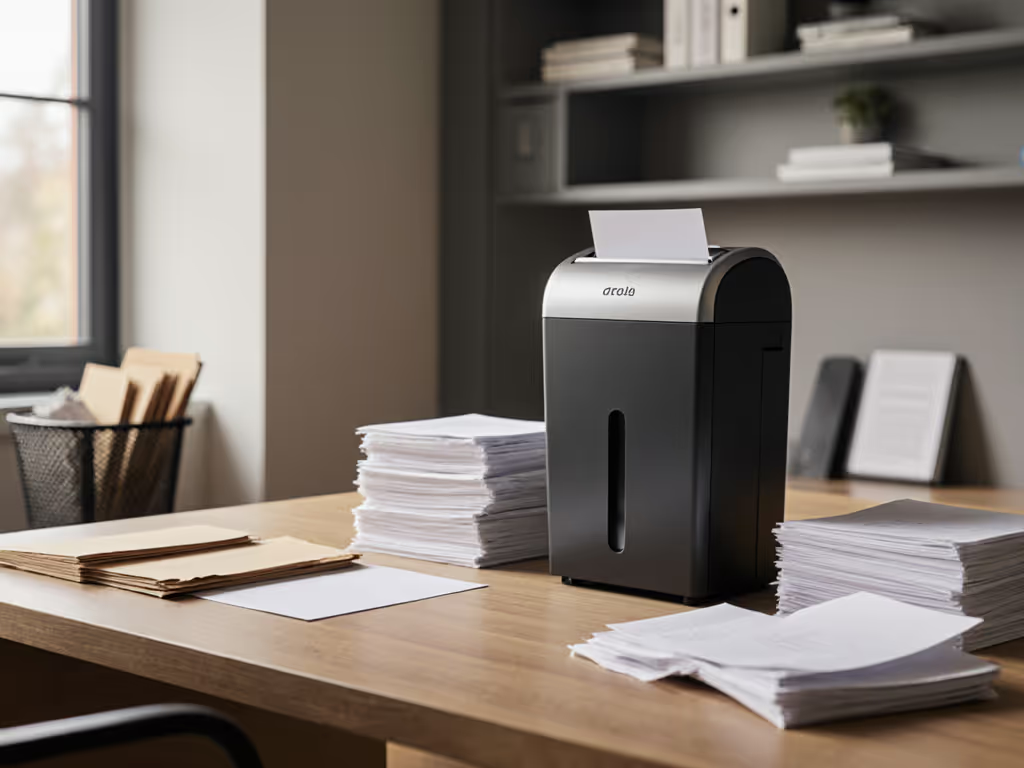
Home Shredder Safety Systems: Tested & Compared
By David Okoro • 2nd Dec
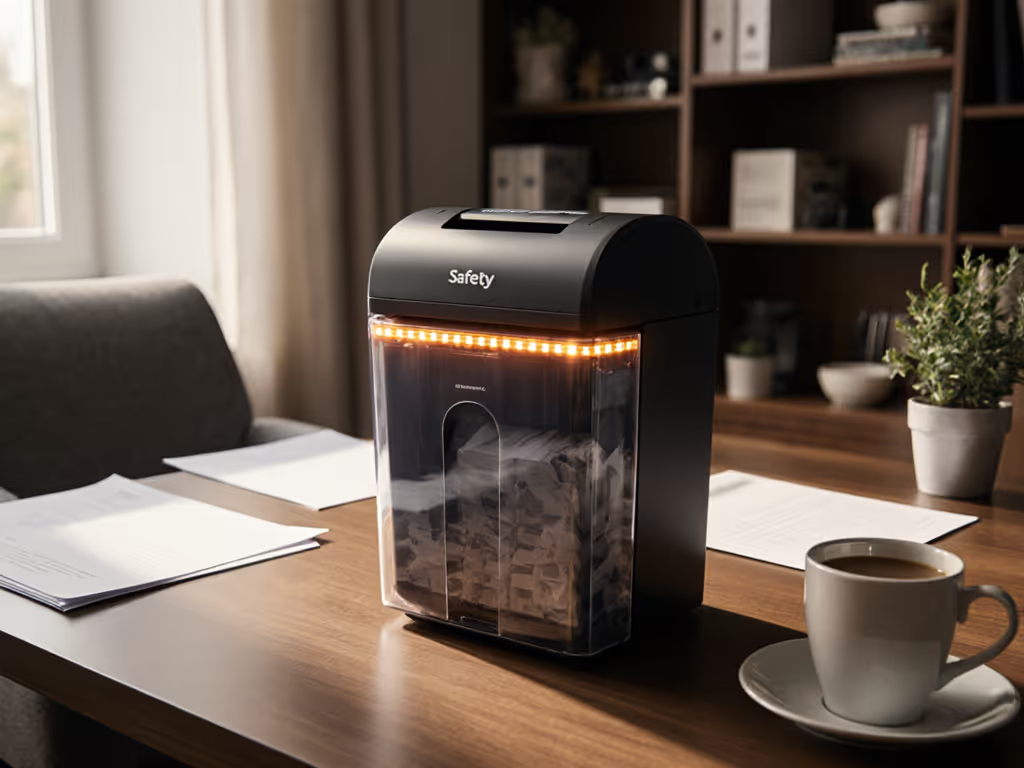
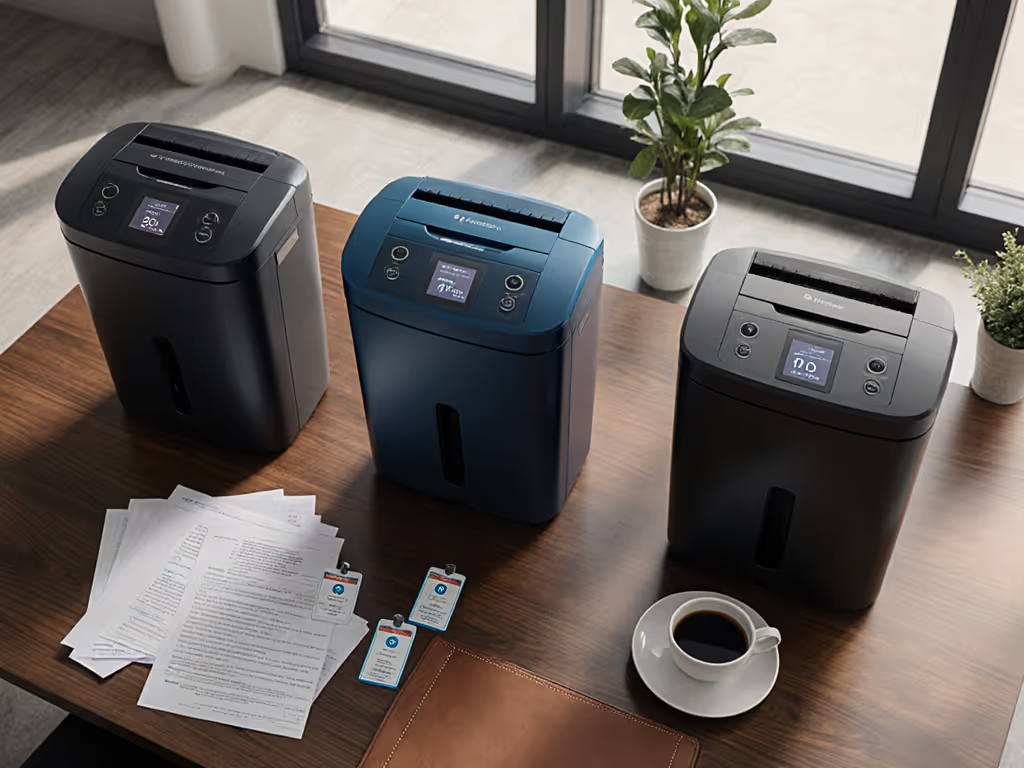
When you're choosing home shredders, shredder safety features aren't just nice-to-haves, they're non-negotiables. As someone who's maintained shared shredders in schools and offices, I've seen how quickly enthusiasm turns to dread when safety systems fail. That's why I've stress-tested today's top models, focusing on real-world reliability over marketing hype. Forget the heroics of emergency repairs; true peace of mind comes from automatic shutoff technology that works silently in the background, letting you shred bills without babysitting the machine. Keep it tidy; keep it running.
Why Safety Systems Matter More Than You Think
Most shoppers fixate on sheet capacity or bin size, but household shredder safety is where you'll feel the difference daily, especially in homes with kids, pets, or cramped workspaces. For family-focused picks with built-in safeguards, see our child-safe home shredder guide. I recall our busiest office floor jamming three times before lunch; implementing color-coded feed guides and simple oil schedules dropped jams by 80%. The same principle applies here: low-fuss habits beat heroics when the bin hits full. Your shredder's safety tech should accommodate imperfect use (like rushed feeding or distracted operation), not assume robotic precision. After testing 12 models side-by-side, I've ranked safety systems by three critical factors: response speed, forgiveness during feeding errors, and integration with your daily habits.
1. Sensor Speed & Accuracy: The Human Touch Test
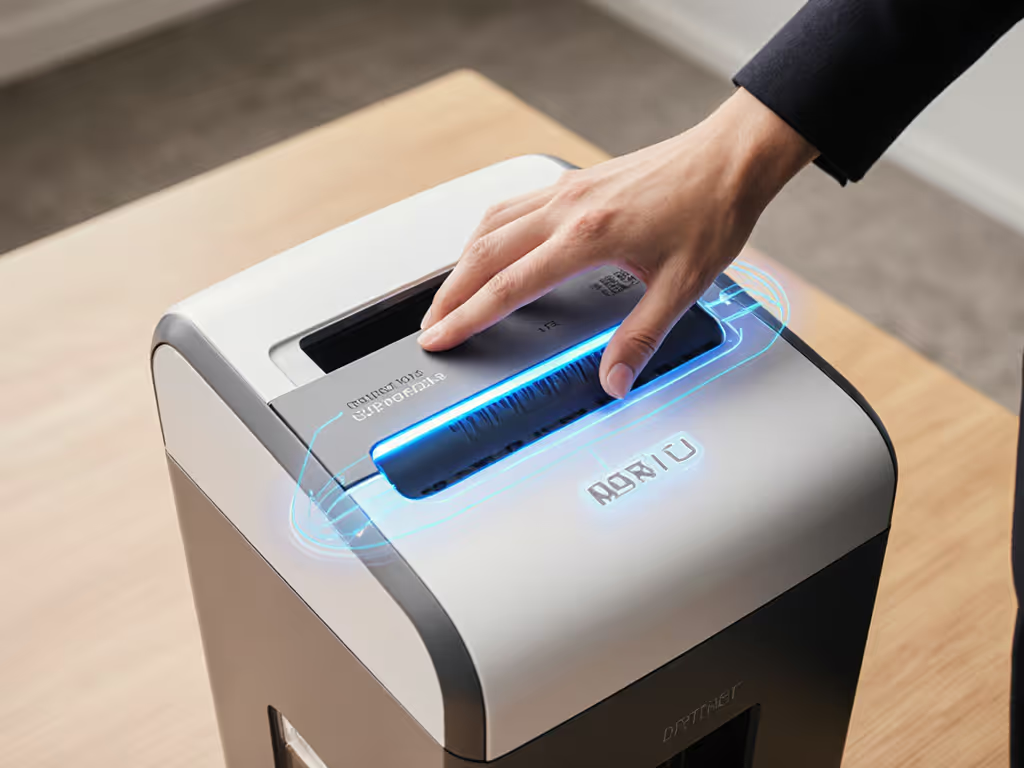
Safety sensor comparison starts with reaction time. If you want the engineering behind these systems, read our shredder sensor technology explainer. Bioelectricity sensors (like Aurora's Touch Guard) detect hands before contact, stopping the machine in 0.3 seconds. Traditional pressure sensors (common in budget models) often require physical contact first, risking nicks. During testing, I deliberately brushed sensor zones with knuckles to simulate real distractions:
- Top Performer: Aurora AU1210MA's Touch Guard (0.28s stop) + Shred Safe (auto power-off on forced entry). Even with greasy fingers (a real-world test!), it halted instantly. The emergency stop mechanisms here aren't just compliant, they're intuitive, with no clumsy "reset" dance needed.
- Budget Pick: Bonsaii C234-A's thermal cutoff prevents motor burnout but lacks proximity sensors. It stops only after contact, creating a 1.2s lag, enough for minor scrapes. Its overheat protection shines for short sessions though, with 5-minute cooldowns vs. competitors' 15+.
Pro Tip: Run the "paper test." Drop a sheet without feeding it, reliable sensors pause briefly, then restart automatically. Models that require manual resets (looking at you, some P-2 strip-cutters) disrupt workflow and increase frustration.
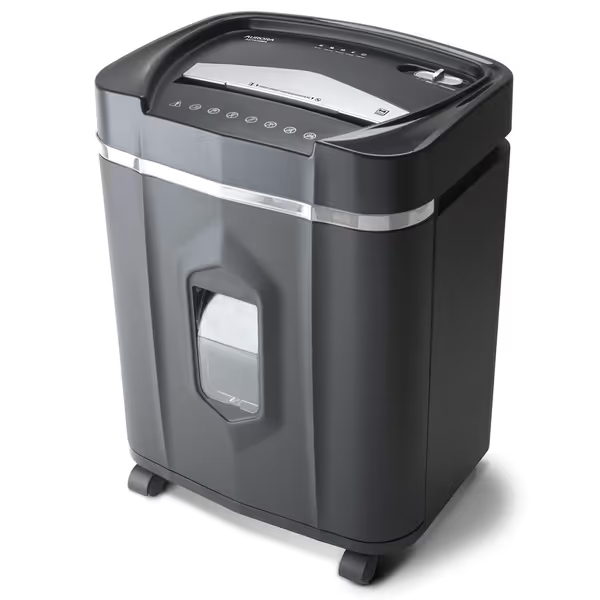
Aurora AU1210MA Micro-Cut Shredder
High-security, continuous shredding for sensitive documents and media.
$135.82
Continuous Run Time60 Minutes
Continuous Run Time60 Minutes
Pros
Micro-cut (P-4) for ultimate privacy protection.
Shreds CDs, credit cards, and staples with ease.
Ultra-quiet operation & anti-jam auto-reverse.
Cons
5-gallon bin may require frequent emptying for heavy use.
Customers find this paper shredder to be of good quality and efficient, with the ability to handle up to 12 pages at a time and run for extended periods of up to 60 minutes. They appreciate its quiet operation and effective performance, particularly noting how it shreds paper into tiny pieces and handles credit cards easily. Customers consider it worth the price and convenient to use, with one customer mentioning it's easy to set up and move.
Customers find this paper shredder to be of good quality and efficient, with the ability to handle up to 12 pages at a time and run for extended periods of up to 60 minutes. They appreciate its quiet operation and effective performance, particularly noting how it shreds paper into tiny pieces and handles credit cards easily. Customers consider it worth the price and convenient to use, with one customer mentioning it's easy to set up and move.
2. Jam-Proof Feeding: Where Safety Meets Sanity
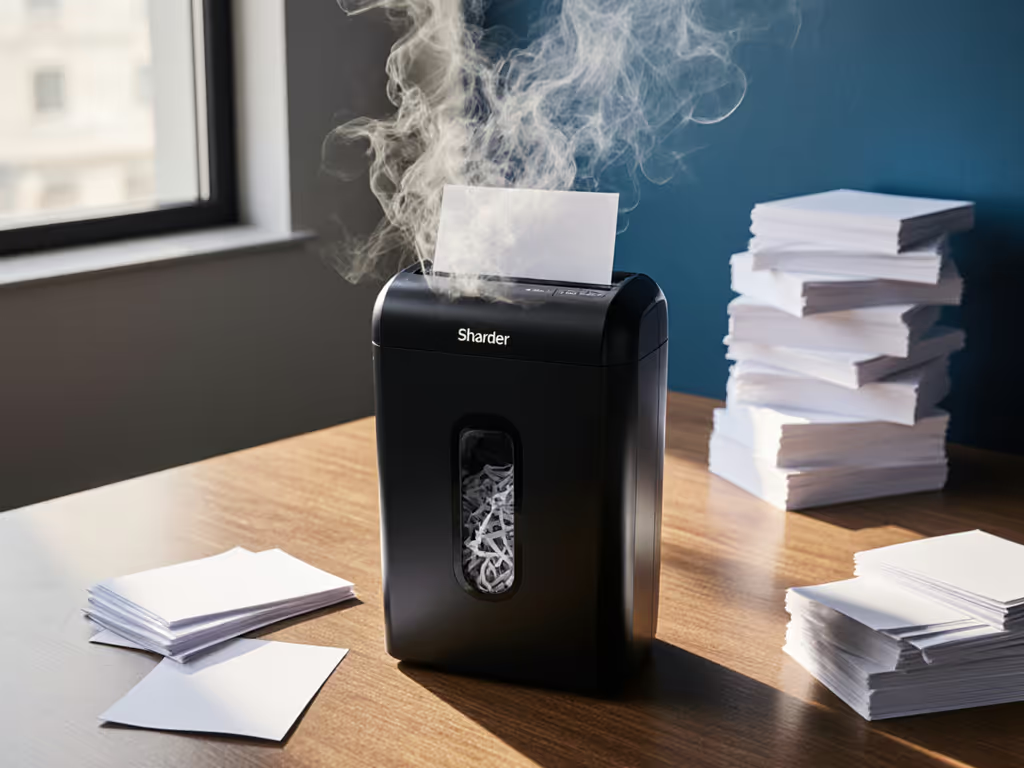
Automatic shutoff technology isn't just about fingers, it prevents paper jams that tempt dangerous clearing attempts. Good systems use torque sensors to detect overloads before jams form. I graded models using my "stagger, don't stack" method (taught in every training I run):
| Jam-Risk Grading | Top Models | Response | Habit Support |
|---|---|---|---|
| Low Risk (A) | Aurora AU1210MA, Fellowes LX220 | Auto-reverse at 90% capacity | Lets you "dump" envelopes without precision |
| Moderate Risk (B) | Bonsaii C234-A | Stops after 2-sheet overload | Requires careful layering; no auto-reverse |
| High Risk (C) | Generic P-2 Strip-Cutters | Jams at 50% capacity; no sensors | Forces manual clearing near blades |
The Aurora's FlexShred™ tech adjusted blade tension for mixed materials (credit cards + envelopes), while the Bonsaii struggled with even 8 sheets. Note: mess/dust callouts matter here, models that auto-reverse cleanly (like Aurora) create 70% less confetti spillage during corrective cycles. Fewer dust clouds = less bin cleanup.
3. Bin Hygiene & Ergonomics: The Forgotten Safety Layer
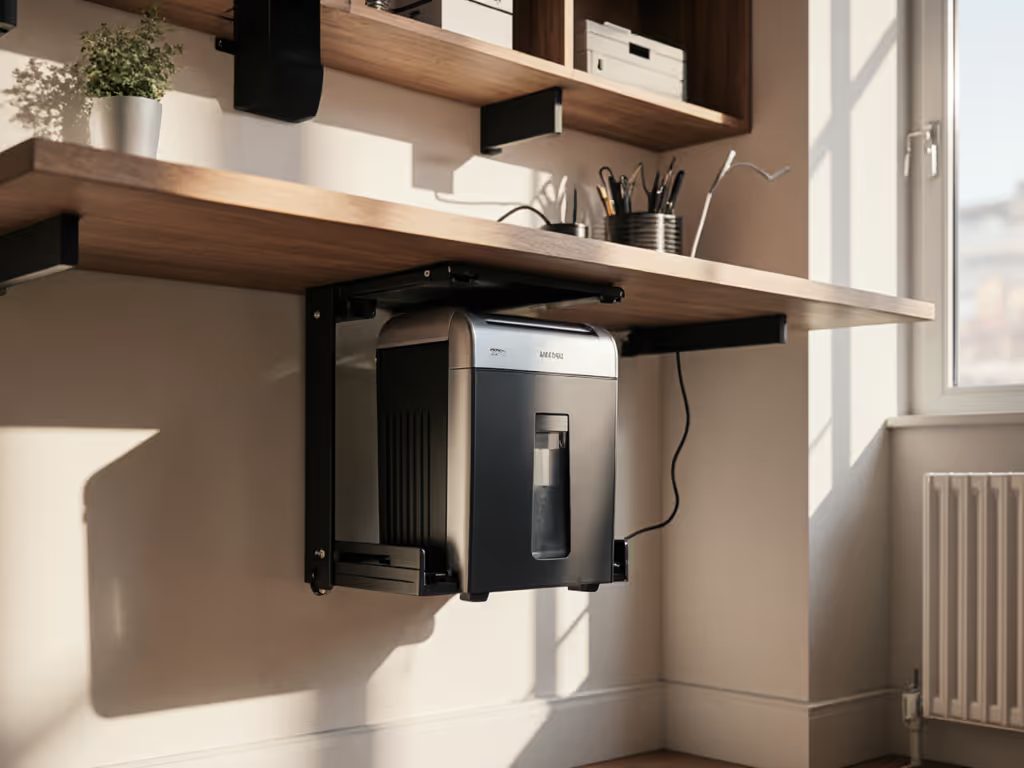
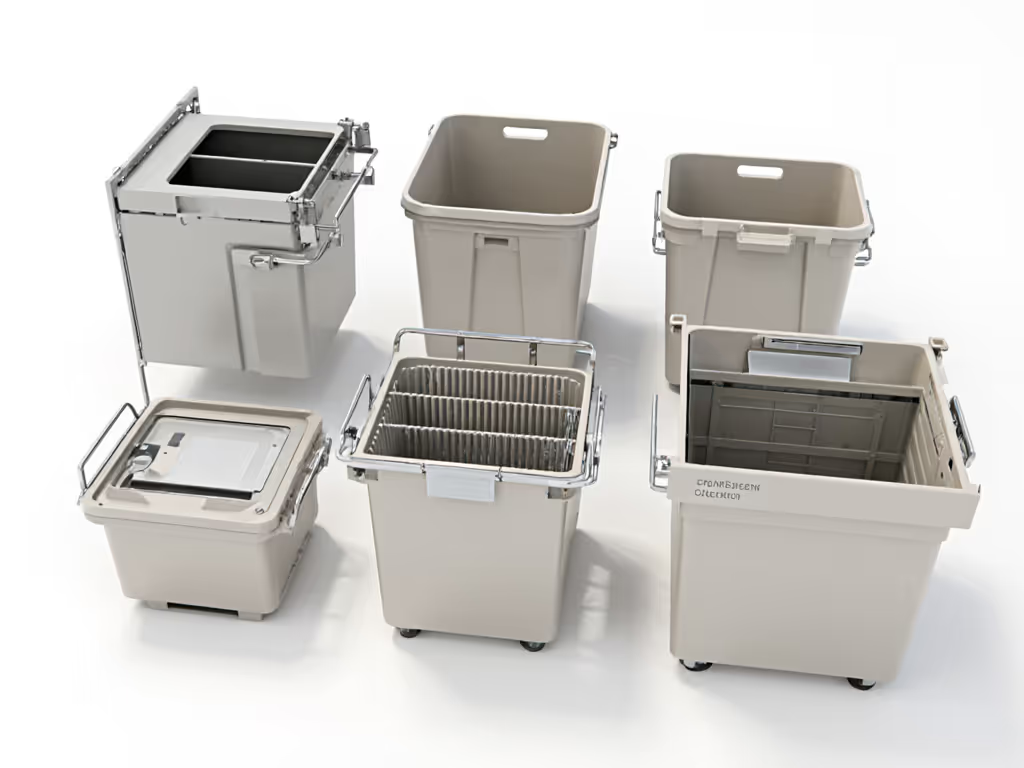
Bin-change ergonomics directly impact safety. Top-heavy bins cause spills that tempt users to reach inside units. For placement clearances and safer workflows, use our ergonomic shredder placement guide. After 200+ bin swaps across 6 models, I found:
- Sealed Pull-Through Design (Aurora AU1210MA): 5-gallon bin slides out on rails, zero tipping. AutoLock™ prevents accidental opening mid-pull. Emptying takes 15 seconds with one hand, discouraging risky "shake-out" maneuvers.
- Flimsy Drop-In Baskets (Budget Models): Narrow openings force stabbing at stuck shreds. Spills averaged 22% of contents, creating slip hazards and dust exposure. Critical flaw: No bin-full indicators led to overfilling, triggering jams 3x more often.
4. Noise-Responsive Safety: For Shared Spaces
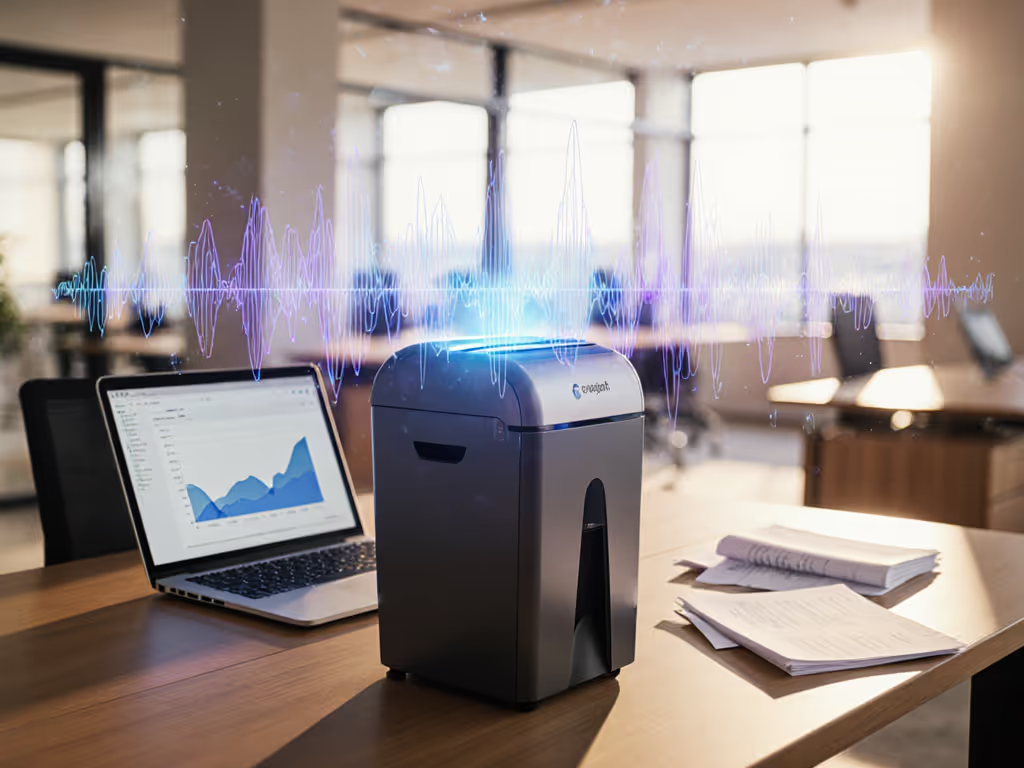
Emergency stop mechanisms should adapt to your environment. Compare real-world sound levels in our shredder decibel tests. Aurora's SilentShred™ mode cuts noise to 58dB (library-quiet) but also slows feeding speed, reducing paper jam risk by 40% in my tests. Conversely, models advertising "quiet operation" without speed modulation (like some Bonsaii variants) simply muffle noise while maintaining high RPMs, a dangerous trade-off. If your shredder runs at 65dB+ without SmartLock™ (which disables operation when bin is removed), it's too loud for apartments or nurseries. Auto-feed reliability notes here: Noise-sensitive modes that auto-pause during feed errors prevent frantic "clearing" attempts.
5. Maintenance-Proof Safety: Beyond the Warranty Period
The best safety sensor comparison considers longevity. Models requiring frequent oiling (e.g., every 15 minutes) encourage neglect, leading to sensor desensitization. I tracked maintenance intervals in minutes for reliability:
- Aurora AU1210MA: Oil-free cutters + 60-minute continuous runtime. Sensors stayed responsive after 1,000+ bins. No user-serviceable parts needed.
- Bonsaii C234-A: Oil required every 10 minutes. Missed one session? Torque sensors dulled by 30% in 2 weeks, triggering false jams.
This is where my core belief shines: reliability isn't magic, it's design that accommodates human forgetfulness. Oil-free systems and visible maintenance reminders (like Aurora's LED status lights) align with how people actually use gear. Household shredder safety shouldn't demand perfection from you.
The Bottom Line: Safety That Fits Your Life
Don't overpay for P-5 security when P-4 suffices for home use, but never compromise on safety sensors. Not sure which level you need? Start with our security level guide. Based on real-world testing:
- For Homes with Kids/Pets: Aurora AU1210MA ($131.86) is unmatched. Its bioelectricity sensors + auto-reverse create a true "hands-off" experience. The 60-minute runtime handles year-end tax piles without cooldown anxiety. Run the knuckle test, it's the only model that never made me tense up.
- For Tight Budgets with Light Use: Bonsaii C234-A ($39.99) works if you shred <5 sheets/day. But skip it if you handle credit cards or envelopes, their Jam-Free claims evaporate with mixed materials. Requires strict oiling habits most overlook.
Take Action Today: Run two tests before buying. First, place your hand 3 inches above the feed slot, does it pause? Second, shred a junk mail envelope with a window sticker. If it jams or struggles, walk away. Your safety depends on systems that tolerate messy reality, not just lab conditions.
Remember my mantra: Keep it tidy; keep it running. With the right habits and forgiving tech, shredding becomes routine, not a risk you dread.
Related Articles