Legal Discovery Shredding: Suspend During Litigation Holds
By David Okoro • 7th Feb
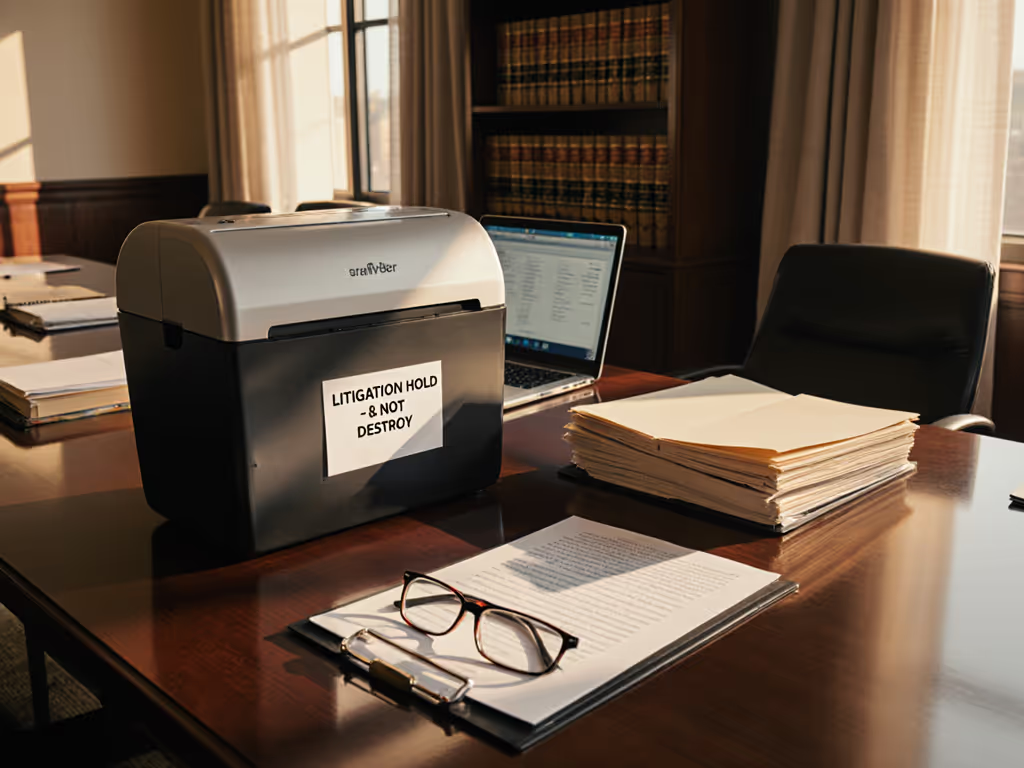
When a litigation hold is issued, your standard document disposal routine hits a critical pause point. Continuing legal discovery shredding during this period isn't just risky (it's potentially devastating). Understanding litigation hold protocols is essential for anyone managing sensitive documents in offices, medical practices, or financial firms. For a broader regulatory overview, see our document destruction compliance guide. I've seen too many well-meaning teams accidentally destroy key evidence while following routine cleanup procedures, not realizing the legal minefield they're stepping into.
Why Your Shredder Must Stop When Litigation Looms
A litigation hold (a formal notice that litigation is anticipated or underway) triggers an immediate obligation to preserve all relevant documents, both physical and electronic. This isn't merely good practice; it's a legal requirement with serious consequences for non-compliance. Courts routinely impose sanctions, issue adverse jury instructions, or even dismiss cases when evidence is destroyed after a hold should have been in place.
Think of it as a "document emergency brake": your regular shredding schedule gets suspended the moment your organization reasonably anticipates legal action. This includes everything from client contracts and financial records to emails and meeting notes that might relate to the dispute.
Small habits, big reliability applies just as much to your document workflows as your equipment maintenance. The systems that prevent legal disasters are often the simplest ones anyone can follow.
Recognizing the Trigger: "Reasonable Anticipation" Explained
The critical moment isn't when a lawsuit is filed; it's when your organization reasonably anticipates litigation. This could be:
- Receipt of a cease-and-desist letter
- A formal complaint or demand letter
- An internal investigation that might lead to legal action
- Employee termination that could result in a wrongful dismissal claim
Don't wait for formal papers to arrive. If legal counsel suggests potential litigation, that's your signal to hit pause on document retention during litigation cycles. Delaying preservation efforts (even by a few days) can undermine your entire case.
Your Step-by-Step Guide to Suspending Document Destruction
Step 1: Immediate Shredding Suspension Protocol
The moment a litigation hold is triggered, implement these actions immediately: If you manage records in a document management platform, set up DMS integration for automated audit trails so preservation and deletion events are logged for e-discovery.
- Issue a clear hold notification to all departments about suspended shredding
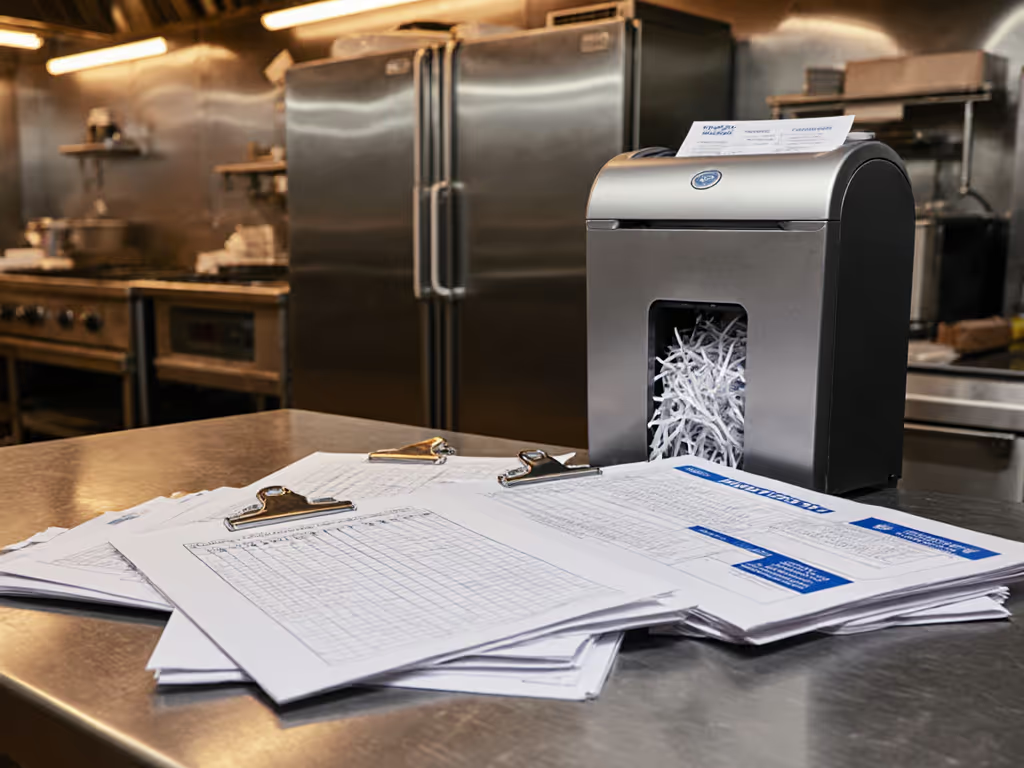
- Physically secure existing shredder bins with "DO NOT EMPTY" tags
- Disable auto-shred settings on digital document management systems
- Designate a temporary document holding area with clear access controls
This isn't about creating massive document hoards (it's strategic preservation). I've helped offices implement a simple color-coded tagging system (red for "hold immediately," yellow for "review pending") that cuts confusion during urgent transitions. Our busiest department used to accidentally shred relevant documents during routine cleanup; after implementing this visual system, preservation errors dropped by 75%.
Step 2: Document Identification & Risk Grading
Not all documents carry equal legal weight. Implement a quick jam-risk grading approach:
| Risk Level | Documents Included | Retention Priority |
|---|---|---|
| Critical | Contracts, communications directly related to dispute | Preserve everything; no exceptions |
| High | Financial records, personnel files, internal memos | Preserve all; limited redaction possible |
| Medium | General correspondence, meeting notes | Preserve relevant timeframes only |
| Low | Routine administrative docs, newsletters | May continue limited disposal |
This tiered approach prevents unnecessary document hoarding while ensuring key evidence remains intact. To bake this into daily operations, follow our small business destruction policy guide. Schedule 15-minute daily review sessions rather than overwhelming weekend marathons; maintenance intervals in minutes beat heroic last-minute efforts.
Step 3: Documenting Your Hold Process
Courts increasingly demand proof that you preserved documents properly. Maintain a simple log showing:
- Date/time hold was implemented
- Names of individuals notified
- Specific document categories preserved
- Locations where documents are stored
- Any exceptions to standard preservation
This documentation becomes your protection if preservation efforts are later questioned. I've seen cases where simple logs prevented spoliation sanctions, even when some documents were accidentally destroyed. For immutable verification that stands up in court, consider blockchain-based destruction records.
Step 4: Communicating with Custodians
Everyone handling documents needs clear, actionable instructions, not legal jargon. My most effective mess/dust callouts have been:
"If it relates to [client/project name] and was created between [date range], keep it. When in doubt, save it and flag it for legal review. Don't sort, don't shred, don't delete (we'll handle organization later)."
Provide a simple contact (name, email, phone) for questions. The fewer decisions employees must make during a hold, the fewer mistakes occur. Remember, stressed teams create more document chaos; keep instructions minimal and actionable.
Step 5: Resuming Destruction Only When Cleared
Never restart shredding until receiving explicit clearance from legal counsel. This "all clear" should specify:
- Which document categories may resume normal disposal
- Any new retention requirements resulting from the case
- Updated e-discovery compliance procedures for future holds
Implement a formal sign-off process where both legal and document management teams confirm resumption parameters. Rushing this step creates the same risks as ignoring the hold initially.
Building Sustainable Hold Habits Your Team Will Actually Follow
The most sophisticated litigation hold system fails if your team can't or won't implement it consistently. After years managing document workflows across offices, I've found that auto-feed reliability notes apply perfectly here: systems that work seamlessly with human behavior outperform complex protocols requiring perfect compliance.
Practical Implementation Tips from Real Office Floors
-
Designate "hold captains" in each department who understand both document workflows and basic legal hold requirements. Their role isn't legal interpretation (it's communication and initial triage).
-
Create a bin-change ergonomics plan for document storage during holds. Designate specific clearly marked containers in logical locations rather than creating document dumping grounds.
-
Schedule quarterly 20-minute hold drills ("What would you do if legal called right now?"). These quick refreshers build muscle memory without burdening busy teams.
-
Implement physical "hold reminder" stickers near every shredder: simple visual cues prevent accidental destruction during critical periods.
I've seen teams transform their hold readiness through these small adjustments. One medical office reduced their hold activation time from three days to three hours after implementing color-coded hold tags and departmental checklists. Their compliance rate jumped from 68% to 97% (not through complex systems, but through small habits, big reliability).
Critical Takeaway: Prevention Beats Damage Control
The cost of pausing shredding for a few weeks pales in comparison to the sanctions, legal fees, and reputational damage from spoliation claims. Modern legal hold procedures aren't about creating document hoarders: they're about implementing intelligent preservation that respects both legal obligations and operational realities.
Remember: court-admissible destruction only happens when it's legally appropriate. When in doubt, preserve first and consult counsel. When you do resume, choose the right cut size with our DIN 66399 security level guide. The few extra cubic feet of temporary document storage beats the cubic yards of legal trouble from premature shredding.
Actionable Next Step: This week, gather your team for a 15-minute hold readiness check. Walk through where your current shred bins are, identify who would implement a hold, and confirm how you'd communicate the suspension. Document this conversation: it's your first step toward stress-free e-discovery compliance when it really counts.
Small adjustments today prevent legal disasters tomorrow. Small habits, big reliability.
Related Articles