Subscription vs In-Office: Secure Document Destruction
By David Okoro • 20th Nov
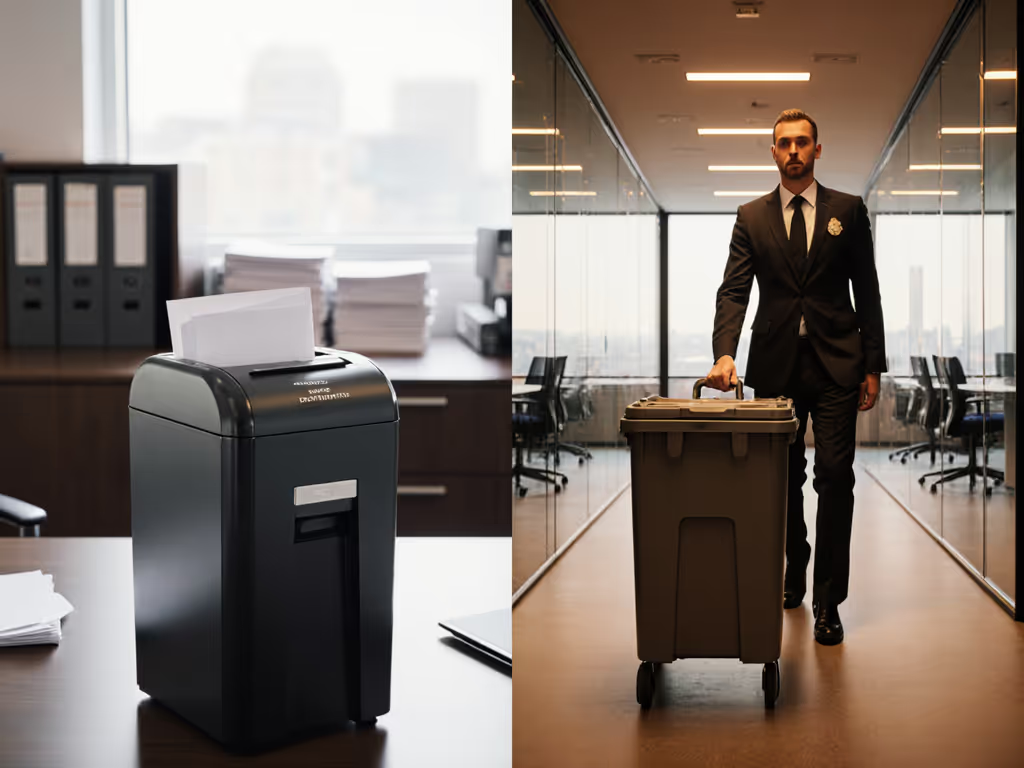
Choosing between shredder subscription services and document destruction services for your home office or small business shouldn't feel like navigating a maze of marketing jargon. You're juggling client data, compliance worries, and limited time, yet you need a solution that actually works with your daily rhythm, not against it. After maintaining shared shredders in schools and offices for 15 years (and yes, I've unclogged my share of jammed feed throats), I've seen one truth hold up: Reliability comes from good design plus habits people will actually do. Forget heroics; let's find what sticks in your routine.
Low-fuss habits beat heroics when the bin hits full.
Here's your no-fluff, stepwise comparison (designed for busy professionals who value peace of mind over spec sheets).
1. Security: Beyond the "Lock" Illusion
In-office shredders feel secure (you're watching the paper get eaten). But reality? Employees often toss sensitive files into regular trash when rushed ("I'll shred it later..."). One study found 68% of in-house programs have critical gaps like unsecured bins or incomplete destruction. Jam-risk grading matters here: A clogged desktop shredder means stacks of confidential docs waiting... and then forgotten.
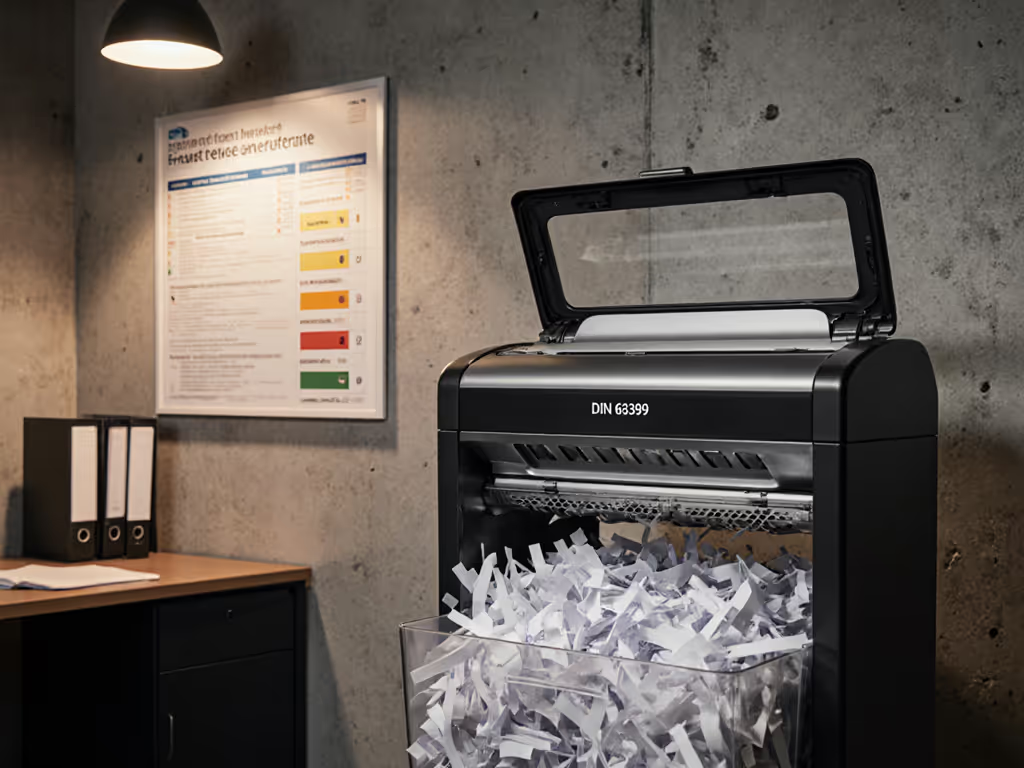
Subscription services fix this with chain of custody protocols baked into scheduled shredding pickups. Locked containers on-site, GPS-tracked transport, and NAID-certified destruction mean zero guesswork. You get a Certificate of Destruction documenting every shred (non-negotiable for HIPAA or GDPR compliance). If you're unsure which rules apply, see our document destruction compliance guide for HIPAA, FACTA, and GDPR essentials. When our school's main office switched after a near-miss with student records, compliance anxiety vanished overnight.
2. True Cost: The Hidden Hours of "Free" Shredding
That $40 desktop shredder seems cheap, until you tally the hidden costs:
- Time spent shredding: 50 pages = 15+ minutes (removing staples, feeding slowly to avoid jams)
- Jam cleanup: 5+ minutes per incident (our old office averaged 3 jams/day before fixes)
- Maintenance: Oiling every 15 minutes of runtime (often skipped, accelerating wear)
- Replacement: Cheap units die fast under real use (67% fail within 18 months per industry reports)
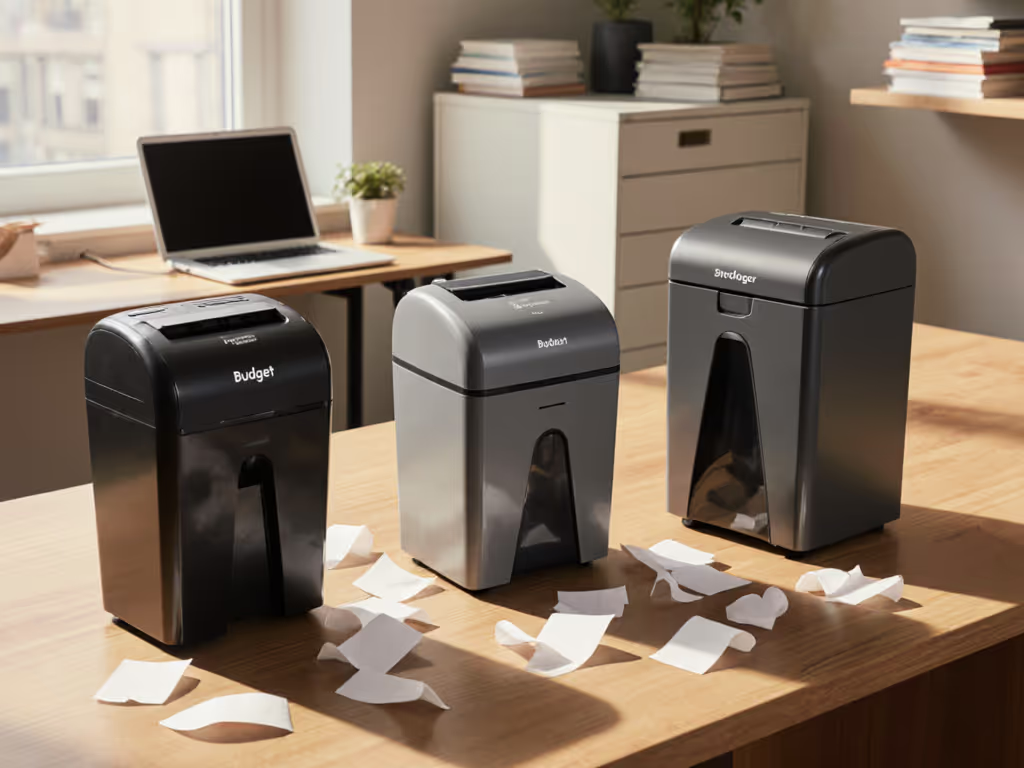
Document destruction services turn this into predictable, fixed fees. Subscription plans start under $30/month for weekly pickups (including labor, security, and certification). For context: At $25/hr, saving just 30 minutes of employee time monthly pays for the service. Business shredding contracts scale cleanly with your volume (no surprise burnout costs). To quantify in-house ownership, use our cost per sheet analysis to model your real lifetime costs.
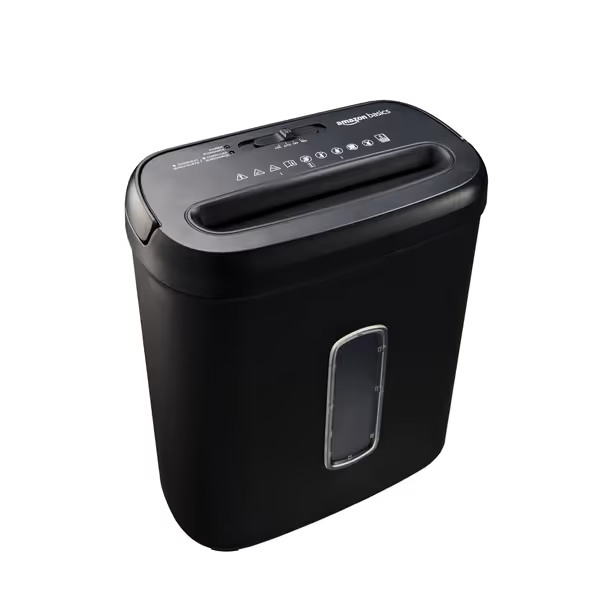
Amazon Basics 8-Sheet Cross Cut Shredder
Secure P-4 shredding for everyday documents and credit cards.
$33.99
Security LevelP-4 Cross-Cut
Security LevelP-4 Cross-Cut
Pros
Shreds 8 sheets & credit cards (non-metallic)
Automatic overheat protection for durability
Quality tested with a 3.7-gallon bin
Cons
3-minute runtime, then 30-minute cool down
Mixed feedback on noise and long-term durability
Customers find the paper shredder works well, is reliable, and is excellent for its price. The device effectively shreds cards and handles up to 6 sheets at once.
Customers find the paper shredder works well, is reliable, and is excellent for its price. The device effectively shreds cards and handles up to 6 sheets at once.
3. Convenience: Does It Work With Your Workflow?
In-office shredders demand active time: Sorting files, removing staples, dealing with jams. Noise disrupts calls (most hit 70+ dB, like a vacuum). And that 3-gallon bin? Fills fast during tax season. Bin-change ergonomics become a pain point when you're hauling confetti spills at 5 PM.
Shredder subscription services operate in the background. Drop files into a locked container all week (no feeding, no jams). Scheduled shredding pickups align with your rhythm (e.g., post-payroll Fridays). No more "shredding marathons" interrupting client work. One attorney client told me: "I reclaimed 2 hours weekly just by ditching the shredder queue."
4. Compliance Confidence: Your Paper Trail Audit
Regulated fields (healthcare, finance, legal) need ironclad proof of destruction. With in-office units, you're auditing yourself (risky when fines hit $50k per HIPAA violation). Missing a single page in a jammed shred pile = massive liability.
Outsourced document destruction provides third-party verification. Every pickup log, driver ID, and Certificate of Destruction creates an unbroken audit trail. NAID-certified providers (like 90% of subscription services) undergo surprise inspections, and you get the compliance shield. Pro tip: Ask providers for their latest NAID audit report. If they hesitate, run.
5. Space & Noise: The Quiet Factor for Small Footprints
Home offices and tight workspaces can't tolerate bulky, noisy gear. Most desktop shredders need 2+ feet of clearance and scream at 70-80 dB. Try shredding after bedtime with kids asleep!
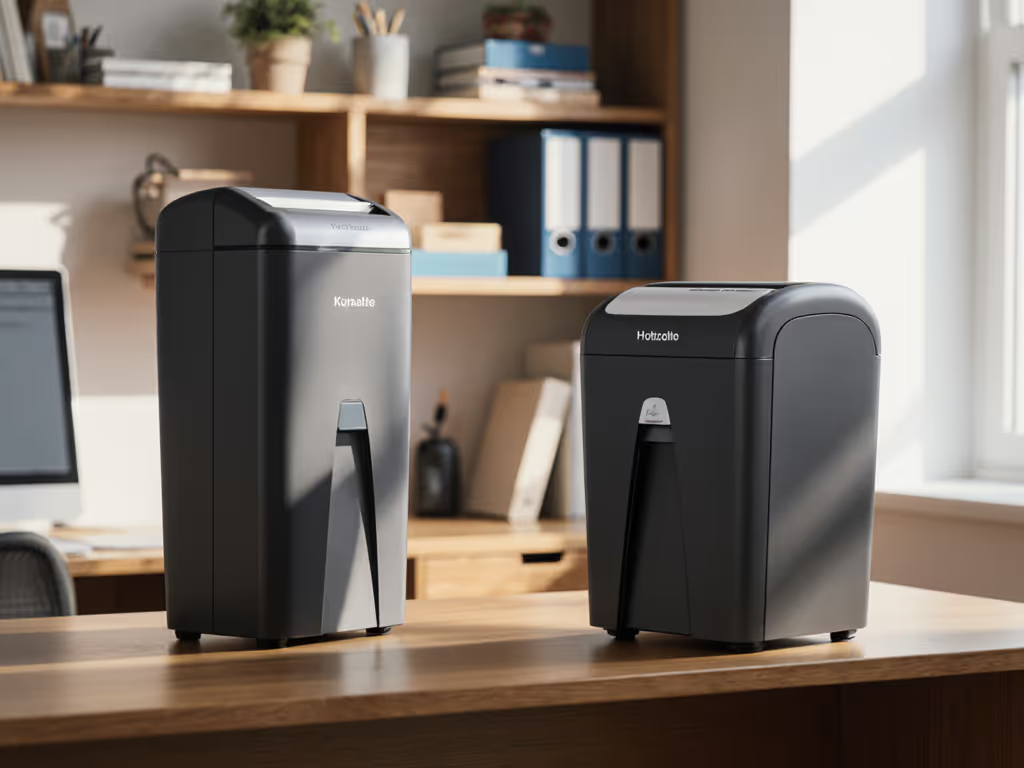
Secure disposal services eliminate this entirely. Containers tuck neatly under desks (12"x18" footprint) and operate silently. For in-office fans, prioritize compact cross-cut models under 14" wide (like the Amazon Basics below) with auto-feed reliability notes for quiet operation. Test noise specs at retail. "Whisper-quiet" often means 65 dB (still disruptive).
6. Maintenance Simplicity: The 5-Minute Rule
If upkeep takes >5 minutes weekly, it won't happen. In-office shredders need regular oiling (often skipped), jam clearing, and dust vacuuming. Our maintenance guide shows how oiling and cleaning prevent jams and extend lifespan. Mess/dust callouts in reviews? Red flag. A unit jamming weekly signals poor feed-guide design.
Our team's breakthrough came with maintenance intervals in minutes. Color-taped feed guides taught "stagger, don't stack" (jams dropped 80%). Subscription services shift all maintenance off your plate. Zero habits needed beyond dropping files in the container. Small habits, big reliability isn't just for machines, it's for your sanity too.
7. Scalability: When Paper Volume Surprises You
Project deadlines or seasonal rushes create shredding spikes. In-office units choke on 20-page packets (forcing slow, manual feeding). Oversizing your shredder for rare peaks wastes money and space.
Shredder subscription services flex instantly. Need extra pickups for year-end? Add them with one email. Subscription tiers often include free container swaps for volume surges. No "Can I borrow your shredder?" panic. One realtor client used this to handle 5x shredding during merger season without buying new gear.
The Verdict: Match the Solution to Your Real Habits
If you process under 50 pages weekly, value absolute control, and love tinkering with gear, explore compact in-office options (prioritize auto-reverse and P-4 security). But for most professionals drowning in compliance stress and paper piles, outsourced document destruction delivers: foolproof security, zero daily friction, and predictable costs. Reliability isn't about specs, it's about what actually gets done.
I still see color-taped feed guides on office shredders years later. Why? Because small habits, big reliability sticks when they respect limited time. Your move:
Actionable Next Step: Track your paper waste for one week. Note:
- How many confidential pages hit regular trash because shredding felt disruptive
- Time spent feeding/jam-clearing your current unit
- Bin-overflow moments
This 5-minute audit shows whether subscription services will save you hours, or if a smarter in-office habit (like our stagger technique) could fix the root jam. Either way, you'll stop dreading document destruction.
Related Articles